

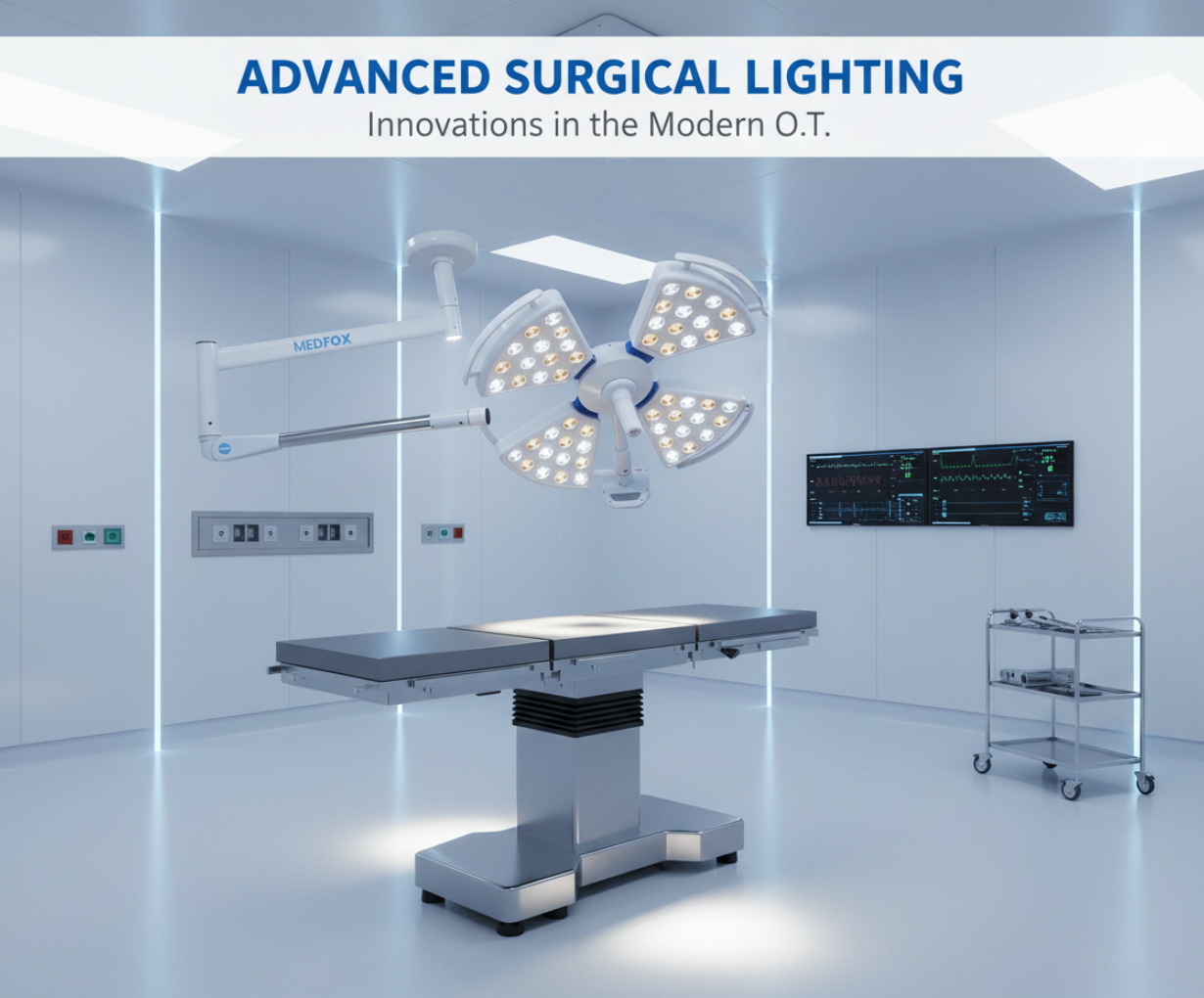
What is O.T. Light? Features, Benefits, and Innovations Explained
O.T. Light stands for Operating Theatre Light, an essential surgical lighting solution designed to deliver optimal illumination during medical procedures. In any hospital or surgical centre, OT lights are very crucial to ensure precision, accuracy, and safety regarding any surgery or health procedure being performed by the respective healthcare professionals.
Key Features of Modern O.T. Lights
Improved Illumination: O.T. lights ensure high-intensity, shadow-free light for the surgeons to view minute details and subtle tissue colour changes.
Colour Rendering Index (CRI): Advanced O.T. lights boast higher CRI values for accurate vision and a reduced risk of diagnostic errors.
Variable Light Intensity: Surgeons can set brightness levels according to specific procedure requirements, allowing for reduced eye strain and fatigue.
Flexible Positioning: Most operating theatre lights have multi-axis movement that allows adjusting the light field to focus on the area being treated.
Energy efficiency: LED-based OT lights require much lesser power and generate minimal heat, thus support a safer and greener environment.
Types of O.T. Lights
Single Dome: Appropriate for smaller operating rooms and procedures where moderate coverage is enough.
Double Dome: For complex procedures, this provides a wider illumination area with improved shadow reduction.
Mobile O.T. Lights: Easily movable to various sites, ideal for emergency rooms or minor procedure areas.
LED O.T. Lights: These are modern, energy-efficient, and long-lasting, with negligible heat emission and superior color rendition.
Why are O.T. lights important in surgery?
Proper lighting is crucial for:
Patient Safety: Optimal visibility minimizes the risk of accidental injury during any operation.
Surgeon Comfort: Ergonomically designed lights minimize discomfort and improve performance during long procedures.
Smooth Workflow: Quick adjustment features save valuable time when it really matters.
Latest Innovations in O.T. Light Technology:
Medical lighting now evolves rapidly with additional features such as:
Touchless Controls: Enable sterile adjustments through sensor-based gesture controls.
HD cameras are integrated into some of these costlier lights for recording and live broadcasting of surgeries.
Smart Connectivity: Integrates with the hospital information system for automation and light monitoring.
How to Choose the Right O.T. Light?
When selecting an operating theatre light, consider: Illumination Level (Lux): Match the device’s lux rating to your procedural and room requirements. Shadow Dilution: Choose models that manage shadow better for continuous focus. Heat Management: Always opt for LED lights because they reduce heat and last longer. Budget and Warranty: The features should balance cost and after-sales support for a seamless experience. Conclusion O.T. lights form the cornerstone of any modern surgical setup. Investing in the latest models ensures enhanced safety, operational efficiency, and better patient outcomes. Whether upgrading an existing O.T. or equipping a new facility, advanced features and reliable technology are needed to deliver the best in surgical lighting.